
The price of a monoblock filling machine is influenced by a wide range of factors, including automation level, production capacity, technology, materials, and customization. While entry-level machines may cost under $10,000, high-end industrial systems can exceed $200,000.
Monoblock Filling Machine Pricing
The cost of a monoblock filling machine can vary dramatically depending on specifications, automation level, and production capacity.
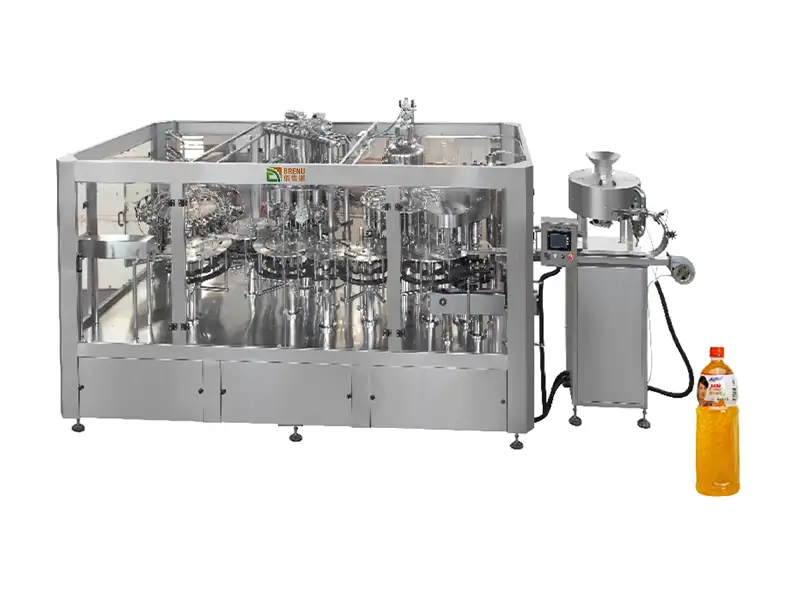
Typical Price Ranges
Based on current market data from suppliers and equipment platforms, monoblock filling machines fall into several price tiers.
Entry-Level Machines
- Price range:$8,000 – $25,000
- Small or desktop monoblock machines
- Low production capacity (manual/semi-auto)
Examples:
- Small liquid filling systems: around $2,800–$6,500
- Basic integrated units for startups
Best for:
- Small businesses
- Pilot production lines
- Cosmetic or lab-scale production
Mid-Range Automatic Monoblock Machines
- Price range:$30,000 – $70,000
- Fully automatic 3-in-1 systems
- Capacity: 1,000–6,000 bottles/hour
Examples:
- Standard 3-in-1 water filling machines: $9,000–$50,000
- Typical industrial models:$5,000–$50,000 range
Best for:
- Growing beverage factories
- Medium-scale production lines
High-End Industrial Monoblock Systems
- Price range:$80,000 – $200,000+
- High-speed, multi-head filling systems
- Fully integrated production lines
Examples:
- Advanced PET bottle filling machines: $82,000–$198,000
- Large-scale plants exceeding $250,000
Best for:
- Large beverage manufacturers
- Industrial bottling plants
| Machine Type | Production Capacity | Automation Level | Price Range (USD) |
| Semi-Automatic | 200–500 bottles/hour | Low | $8,000 – $25,000 |
| Fully Automatic (Mid-Range) | 1,000–5,000 bottles/hour | Medium–High | $30,000 – $70,000 |
| High-Speed Industrial | 5,000–40,000+ bottles/hour | Fully Automated | $80,000 – $200,000+ |
These ranges reflect general market benchmarks and may vary based on region, brand, and customization.
In some markets, entry-level machines can start even lower, while highly specialized systems—such as aseptic or blow-fill-seal monoblocks—can exceed $250,000.
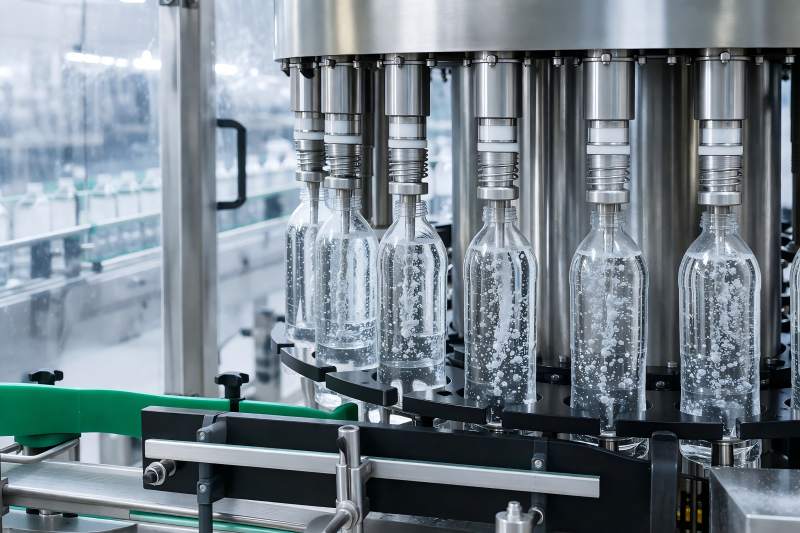
Key Factors That Affect Monoblock Filling Machine Cost
Level of Automation
Automation is a major factor influencing overall machine pricing.
- Manual or semi-automatic machines cost less but need more labor.
- Fully automatic systemsintegrate PLC controls, sensors, and robotics, increasing efficiency—and cost.
Highly automated equipment reduces labor expenses and improves consistency, but requires a larger upfront investment.
Cost impact:
- Semi-automatic: lowest cost
- Fully automatic: 2–5× higher cost
Production Capacity (Output Speed)
The number of bottles filled per hour (BPH) directly influences price.
- Low capacity: 500–1,000 BPH
- Medium capacity: 1,000–5,000 BPH
- High capacity: 5,000+ BPH
Higher output requires more filling heads, stronger motors, and advanced synchronization systems.
Cost impact:
- Doubling output can increase price by 50–100%
Machine Configuration and Functions
Monoblock machines may include different combinations of functions:
- Filling + capping (basic)
- Rinsing + filling + capping (3-in-1)
- Blow + fill + seal (advanced combiblock)
Machines with more integrated functions cost more due to additional components and complexity.
Example:
| Configuration | Functions Included | Relative Cost |
| 2-in-1 | Filling + Capping | Low–Medium |
| 3-in-1 | Rinse + Fill + Cap | Medium |
| Combiblock | Blow + Fill + Seal | High |
Integrated systems minimize separate machines, reducing long-term overall production costs.
Filling Technology Type
Different filling technologies are designed for specific products:
- Gravity filling– for low-viscosity liquids (water, juice)
- Piston filling– for thicker liquids (sauces, creams)
- Volumetric filling– high accuracy applications
- Isobaric filling– carbonated beverages
Advanced technologies (e.g., flow meters, vacuum systems) increase precision and cost.
Cost impact:
- Basic filling: lower cost
- High-precision or specialized filling: significantly higher
Material Quality and Build Standards
Material selection significantly impacts machine construction costs.
- Standard steel: lower cost
- Stainless steel (SS304/SS316): higher cost, required for food/pharma
High-end machines use corrosion-resistant materials and comply with hygiene standards such as GMP or FDA.
Cost impact:
- Premium materials can increase price by 20–40%
Brand and Country of Origin
The manufacturer’s reputation and location significantly influence pricing.
- Asian manufacturers: more affordable, suitable for startups
- European/US brands: higher cost but better reliability and support
Machines from established brands often include certifications, better engineering, and longer lifespan.
Cost impact:
- Western brands may cost 30–100% more than budget alternatives
Customization and Flexibility
Machines custom-built for specific production needs typically cost more than standard, mass-produced equipment. The following options can be tailored:
- Multiple bottle sizes
- Quick-change systems
- Special nozzles or filling heads
- Integration with labeling or packaging lines
Cost impact:
- Customization can add 10–50% to base price
Number of Filling Heads and Stations
The more filling heads or capping stations a machine has, the higher its output—and cost.
- 4–8 heads: small-scale
- 12–24 heads: medium-scale
- 40+ heads: industrial-scale
Machines with more stations require more complex engineering and synchronization.
Cost impact:
- Price increases proportionally with head count
Control System and Smart Features
Modern monoblock machines often include:
- PLC (Programmable Logic Controller)
- HMI touchscreens
- IoT monitoring
- Remote diagnostics
Advanced control systems improve efficiency but raise costs.
Cost impact:
- Smart features can add 15–30% to price
Compliance and Certification
Pharmaceutical and food industries are required to meet stringent regulatory compliance standards.
- FDA
- GMP
- ISO standards
Meeting these standards increases manufacturing complexity and cost.
Cost impact:
- Compliance can significantly increase upfront cost but ensures safety and legality
Installation, Shipping, and Training
Initial cost represents just a fraction of the overall investment. Additional costs include:
- Shipping and logistics
- Installation and commissioning
- Operator training
- Spare parts and maintenance
Buyers are advised to request a full cost breakdown before purchasing.
Maintenance and Overall Ownership Costs
Long-term costs can exceed initial purchase price.
Consider:
- Spare parts availability
- Energy consumption
- Downtime and repairs
- Machine lifespan (typically 8–15 years)
A cheaper machine may result in higher maintenance costs over time.
Hidden Costs to Watch Out For
Many buyers focus only on the machine price, but hidden costs can significantly impact the budget.
Common Hidden Costs:
- Changeover tooling for different bottle sizes
- Software upgrades
- Validation and testing (especially in pharma)
- Utilities (water, electricity, compressed air)
- Facility modifications
These costs can add 10–30% to the total investment.
Price Comparison by Application
Different industries require different machine specifications, affecting cost.
| Industry | Typical Requirements | Price Range |
| Beverage | High speed, isobaric filling | $50,000 – $200,000+ |
| Cosmetics | Precision filling, small volumes | $20,000 – $80,000 |
| Pharmaceuticals | Sterile environment, high accuracy | $80,000 – $250,000+ |
| Food (sauces, oils) | Viscous filling systems | $25,000 – $100,000 |
Machines for pharmaceuticals tend to be the most expensive due to strict hygiene and accuracy requirements.
New vs. Used Monoblock Filling Machines
New Machines
Pros:
- Latest technology
- Warranty and support
- Higher efficiency
Cons:
- Higher upfront cost
Used or Refurbished Machines
Pros:
- 30–50% cheaper
- Faster ROI
Cons:
- Limited warranty
- Potential maintenance issues
Used machines can be a good option for startups, but require careful inspection.
Choosing the Best Machine Within Your Budget
When selecting a monoblock filling machine, consider:
Define Your Production Needs
- Daily output
- Product type
- Packaging format
Balance Cost and Value
A low-cost machine may end up costing more over time because of repairs and reduced efficiency.
Evaluate Supplier Reputation
Choose manufacturers with strong after-sales support and proven reliability.
Plan for Scalability
Invest in a machine that can grow with your business.
Future Trends Affecting Pricing
The cost of monoblock filling machines is also influenced by broader industry trends:
- Increased demand for automation
- Integration of smart manufacturing (Industry 4.0)
- Sustainability and energy efficiency requirements
- Rising material and component costs
These trends may push prices higher but also improve efficiency and ROI.