
Key Features of Filling Machines
Explore the differences between bottle and can filling machines.
| Features | Bottle Filling Machine | Aluminum Can Filling Machine |
| Production Speed | Moderate speed with flexibility. | High-speed, up to 2,500 cans/min. |
| Product Compatibility | Versatile for various beverages. | Best for carbonated drinks. |
| Cost Efficiency | Higher costs for glass bottles. | Lower production and transport costs. |
| Packaging Style | Offers premium glass or PET options. | Modern, lightweight aluminum cans. |
| Shelf Life | Excellent barrier for freshness. | Preserves carbonation effectively. |
| Operational Efficiency | Requires more manual steps. | Streamlined filling and sealing process. |
| Maintenance Needs | Higher maintenance costs for glass. | Durable, lower maintenance requirements. |
| Consumer Preferences | Preferred for premium products. | Favored for convenience and portability. |
If you run a beverage business, you want a filling machine that fits your needs. The main differences between a bottle filling machine and an aluminum can filling machine come down to product compatibility, production speed, and packaging style. Market trends show the filling and capping machine segment reached about USD 5.3 billion in revenue in 2024 and will keep growing. You need to consider how each machine handles filling and sealing. A bottle filling machine offers precision, flexibility, and hygiene, while a can filling machine uses a multi-step process for sealing lightweight cans. Choosing the right solution from a reliable filling machine manufacturer can boost your production and help you stay ahead.
Key Takeaways
Choose a filling machine based on your beverage type, production goals, and budget. Evaluate how each option fits your business requirements.
Bottle filling machines offer flexibility for various liquids, while can filling machines excel in speed and efficiency for high-volume production.
Assess your business’s potential for long-term growth. Select a machine that can adapt to future changes in production and product offerings.
Consider sustainability in your packaging choice. Aluminum cans are greener and more widely recycled than glass bottles.
Plan your workflow and compliance needs carefully. The right filling machine can streamline operations and support your business’s growth.
Quick Decision Guide
Key Differences
When you need to make a quick choice between a bottle filling machine and an aluminum can filling machine, focus on the essentials. Here’s what you should look at:
- Type of product you want to fill
- Production scale and how much you plan to produce
- Your budget for equipment and operations
- Long-term business goals and flexibility for new products
- Production volume and required throughput
- Product characteristics like viscosity, carbonation, or particulates
- Operational efficiency, including labor and maintenance
- Regulatory compliance for your beverage type
When to Choose Bottles
You might lean toward bottle-filling machines if your beverages fit these categories:
- Mineral water
- Energy drinks
- Cold-brewed tea
- Low-viscosity, non-carbonated drinks like purified water or tea
- Carbonated drinks such as soda or beer
High-viscosity liquids like dairy drinks or concentrated juices
You get options like gravity fillers for clear drinks, piston fillers for thicker products, and isobaric fillers for carbonated beverages. If you want precise filling and flexibility for different bottle shapes or sizes, bottles are a solid choice.
When to Choose Cans
Aluminum can filling machines shine in many areas. Here’s a quick look at their main advantages:
| Advantage | Description |
| Wide Application | Great for carbonated, still, and alcoholic drinks |
| Premium Packaging | Boosts shelf appeal and convenience |
| Durable & Reliable | Handles 24/7 operation with ease |
| High-Speed Efficiency | Increases output and cuts labor costs |
| Preserves Carbonation & Freshness | Keeps drinks fizzy and fresh with isobaric technology |
| Extended Shelf Life | Optional pasteurization enhances stability |
| Enhanced Brand Value | Modern, eco-friendly image for your brand |
| Scalable Production | Fits both small craft and large-scale operations |
If you want speed, durability, and a modern look, cans could be your best bet. Cans also help preserve carbonation and freshness, which is key for many beverages.
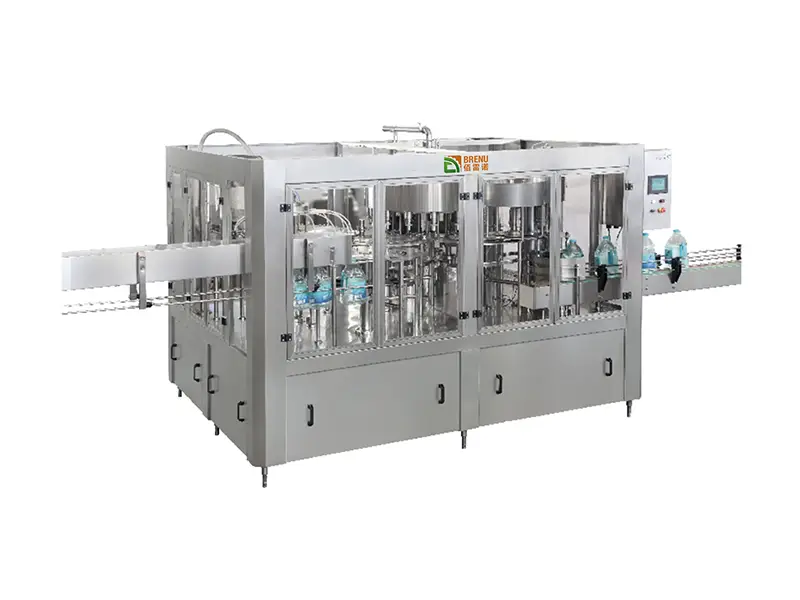
Bottle Filling Machine Overview
How It Works
You might wonder how a bottle filling machine operates compared to other beverage packaging equipment. The process is simple and built for precise filling. Here’s what happens step by step:
- Empty bottles enter the system on a conveyor.
- The machine aligns each bottle for accurate filling.
- It injects a preset amount of liquid, using different filling technologies based on your product.
- The machine applies caps or seals to prevent leaks and contamination.
- Filled bottles move on to labeling and packaging.
This focus on precision helps you avoid breakage and ensures every bottle gets the right amount of product. Glass bottle filling machines use advanced metering systems, keeping filling tolerances tight—often within ±1-2 ml for a 500 ml beverage. That means fewer customer complaints and more consistent quality.
Applications and Integration
A bottle filling machine is suitable for many beverage types. It handles mineral water, energy drinks, cold-brewed tea, carbonated sodas, and even thick liquids like dairy or juice concentrates. If you run a business that needs flexibility for different bottle shapes or sizes, this machine adapts easily.
Integration with automation is a big plus. You can connect your bottle filling machine to labelers, conveyors, and packaging systems. This setup streamlines your workflow and reduces manual labor. You get a smoother operation and faster turnaround.
Cost and Maintenance
Let’s talk numbers. The cost of a bottle filling machine depends on the level of automation and production rate. Here’s a quick look:
| System Type | Initial Cost | Production Rate |
| Manual | $15,000 – $30,000 | 200 – 500/day |
| Semi-Automatic | $45,000 – $80,000 | 800 – 2,500/day |
| Fully Automated | $120,000+ | 5,000 – 15,000/day |
Maintenance contracts usually run per8% of the machine’s cost per year. Energy costs can range from $2,000 to $7,000 annually. If your machine stops, downtime losses average $150 per hour. Higher-end machines often have lower maintenance costs because of better build quality.
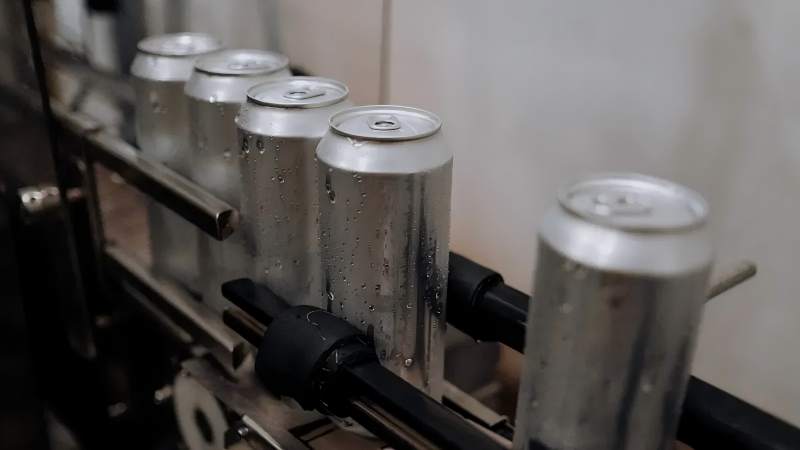
Aluminum Can Filling Machine Overview
How It Works
You load empty cans onto the conveyor. The machine moves each can into position. A nozzle fills the can with your beverage, using precise controls to prevent spills or overfilling. Right after filling, the machine places a lid on the can. It then seals the lid tightly, locking in freshness and carbonation. You can adjust the settings for different can sizes or beverage types. Most machines use smart automation, so you get a touchscreen interface and PLC controls for easy operation. This setup keeps your process smooth and consistent.
Speed and Efficiency
If you want to boost your output, aluminum can filling machines deliver impressive speed and efficiency. Here’s what you can expect:
- Achieves speeds up to 2,500 cans per minute, using minimal floor space.
- Precision filling accuracy within ±0.5%, which helps you minimize waste.
- Smart automation with PLC control and touchscreen interface streamlines your workflow.
- High-speed operation helps lower labor costs and boost daily production capacity.
Filling and Sealing Functions
Aluminum can filling machines combine two critical steps—filling and sealing—into one seamless process. You get a tight seal right after filling, which preserves carbonation and extends shelf life. The dual function also reduces the risk of contamination, since cans move quickly from filling to sealing. You can customize the machine for different can sizes or beverage types, making it easy to adapt as your product line grows.
Durability matters, especially when you run high-speed operations. Most can filling machines use stainless steel components. Here’s how that benefits your business:
| Property | Impact on Performance |
| Corrosion Resistance | Prevents rust and corrosion for longer-lasting machine performance. |
| Hygienic Properties | Inhibits bacterial growth, crucial for maintaining hygiene standards in food and beverage applications. |
| Strength and Durability | Provides stability for high-speed operations, ensuring the machine withstands intensive use and regular cleaning. |
You get a machine built for long-term use, easy cleaning, and reliable performance—key factors for any growing beverage business.
Bottles vs Cans: Comparison
Production Speed
When you look at production speed, aluminum can filling machines usually take the lead. These machines can fill and seal thousands of cans per hour, making them ideal if you want to meet high-volume demand or handle seasonal spikes. Some setups can reach 2,500 cans per minute. That means you can quickly scale up your output without sacrificing quality.
Bottle filling machines also offer impressive speed, especially with automated systems. However, bottles often require extra steps like capping and labeling, which can slow things down a bit. If you run a business that values flexibility over sheer speed, bottles might still fit your needs. But if you want to maximize throughput, cans give you a clear advantage.
Cost Factors
Cost plays a big role in your decision. Aluminum cans are cheaper to produce and ship because they are lightweight, stackable, and less likely to break. Even with supply chain challenges, manufacturing costs for aluminum cans remain competitive.
Bottle filling machines support glass and PET bottles; glass feels premium but costs more, while PET is lighter and cheaper. You also need to factor in the cost of caps, labels, and the extra steps involved in bottle packaging.
Cans often help reduce long-term operating costs. But if your brand relies on a premium image, bottles might justify the extra investment.
Product Compatibility
Not every beverage works best in every package. Choose a filling machine based on your product requirements. Here’s a quick table to help you see which beverages fit best with each filling technology:
| Filling Machine Type | Best Suited Beverages |
| Gravity Filling Machine | Low-viscosity and non-carbonated liquids (e.g., water, tea) |
| Isobaric Filling Machine | Carbonated beverages (e.g., cola, beer) |
| Piston Filling Machine | High-viscosity liquids (e.g., dairy drinks, concentrated juices) |
| Peristaltic Pump Filling Machine | High-value beverages (e.g., cold brewed tea, health tonics) |
A bottle filling machine gives you flexibility for a wide range of beverages, from clear water to thick juices. Aluminum can filling machines excel with carbonated drinks and products that benefit from airtight, light-blocking packaging. If you plan to offer a variety of beverages, bottles might give you more options. If you focus on sodas, beers, or energy drinks, cans could be your best bet.
Packaging and Shelf Life
Packaging material has a big impact on how long your beverage stays fresh. Here’s what you need to know:
- Glass bottles provide excellent gas and vapor barrier protection, leading to a longer shelf life.
- Aluminum cans effectively keep out oxygen and maintain CO2, also contributing to a longer shelf life.
- PET bottles allow more oxygen transmission, which can reduce shelf life compared to glass.
- Glass is preferred for wine packaging due to its superior barrier properties, which preserve quality over time.
- PET bottles, while lightweight, have a higher oxygen transmission rate, leading to shorter shelf life for beverages.
If you want to maximize shelf life and preserve product quality, glass bottles and aluminum cans both perform well. PET bottles work for short-term consumption but may not be ideal for products that need to stay fresh for months.
Consumer Preferences
Consumer trends have shifted in recent years. Many people now prefer aluminum cans for several reasons:
- Cans are portable, durable, and ideal for on-the-go use.
- Cans do not require openers and are easier to transport.
- Opaque cans block UV light, preserving beverage flavor and quality.
- Cans are virtually unbreakable, reducing the risk of spillage and waste.
- Recycled aluminum cans use less production energy than glass bottles.
However, some consumers still associate glass bottles with premium quality and tradition. If your brand targets a luxury market or values a classic look, bottles might appeal more to your audience. If you want to attract eco-conscious or active consumers, cans offer strong advantages.
Sustainability
Sustainability matters more than ever. Aluminum cans recycle more and emit less than plastic bottles. The beverage industry contributes 3.8% of global CO₂e emissions, with single-use packaging making up 61% of those emissions. Cans made from recycled aluminum use much less energy than new cans or glass bottles.
Lightweight PET bottles help reduce transportation emissions by 17% compared to standard bottles. Reusable glass systems can lower global warming potential by 42% if you reuse them more than 20 times. Modern bottle filling machine technology also helps you save energy and water, with some systems reducing energy use by 35% and minimizing overfilling.
Choosing the Right Machine
Business Size and Volume
You want a filling machine that matches your business scale. This comparison helps you choose the right option:
- Manual machines work best for startups or small businesses, handling 1 to 50 bottles per minute.
- Semi-automatic machines fit mid-sized companies, filling 5 to 25 bottles per minute.
- Automatic machines fit medium-to-large production, filling 30–200 bottles per minute.
- Fully automatic systems support high-volume production, filling thousands of bottles per hour.
If you run a craft beverage company or a local brand, you might start with a manual or semi-automatic setup. For national brands or high-volume producers, automatic or fully automatic lines make more sense. Aluminum can filling machines often shine in high-speed, large-volume environments.
Beverage Type
Think about what you plan to fill. Cans work great for carbonated drinks, energy drinks, and products that need airtight packaging. Bottles offer more flexibility for still beverages, dairy, or juices with pulp. Choose a machine that switches beverage types with minimal adjustment.
Branding and Market Fit
Your packaging says a lot about your brand. Cans give a modern, eco-friendly vibe and appeal to active consumers. Bottles often signal tradition or premium quality. Ask yourself: Do you want your product to stand out on shelves with a sleek can, or do you want the classic look of a bottle? Your choice should match your target market’s preferences.
Growth Potential
Plan for the future. Choose a machine that can support future business growth. Modular systems let you add more capacity as demand increases. Also, check local regulations and distribution requirements. Some markets prefer cans, while others favor bottles. Make sure your choice fits your long-term goals and meets any legal standards.
Choosing between bottles and cans comes down to your product, production goals, and market trends. You need a solution that meets today’s demands and supports future expansion. Make sure your systems connect with real-time data and adapt to new technology. Consider these steps:
- Review how your workflows and compliance needs match your machine choice.
- Plan for inventory and production changes as your business grows.
- Look for expert advice on machine types, efficiency, and maintenance.
FAQ
What’s the main difference between bottle and can filling machines?
You get bottles for flexibility and precision. Cans offer speed and airtight sealing. Your choice depends on your beverage type, production goals, and branding needs.
Which machine suits carbonated drinks best?
Aluminum can filling machines handle carbonation better. They seal cans quickly, keeping drinks fizzy and fresh. Bottle filling machines also work, but cans give you an edge for sodas and beers.
Can I switch between bottles and cans with one machine?
Most machines specialize in either bottles or cans. You need separate equipment for each. Some advanced systems offer modular upgrades, but switching usually means investing in new machinery.
How does packaging affect shelf life?
Glass bottles and aluminum cans both protect your beverage well. Cans block light and air, keeping flavors intact. Bottles, especially glass, offer strong barriers. PET bottles work for short-term storage.
Which option is more sustainable?
Aluminum cans have higher recycling rates and lower carbon footprints. Glass bottles can be reused many times. PET bottles are lightweight but less eco-friendly. Your choice impacts your brand’s sustainability image.