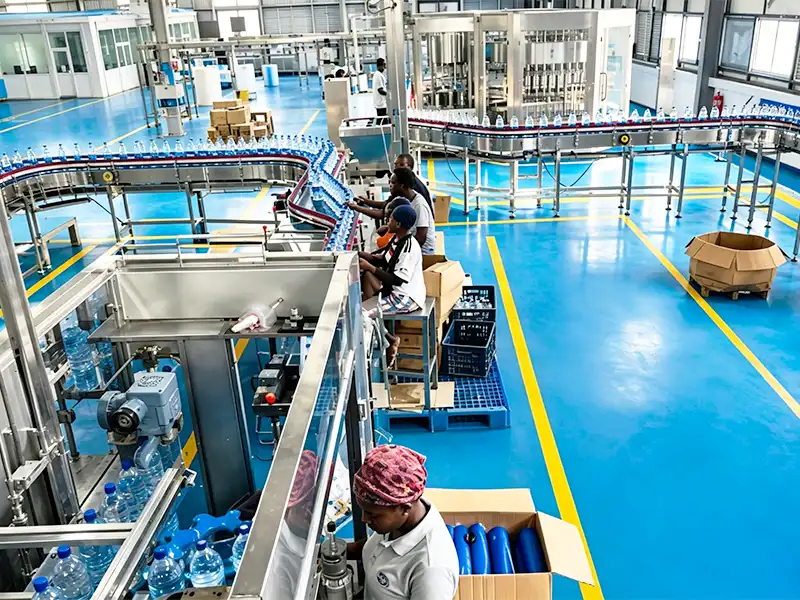
6,000 BPH Premium Sparkling Water Line for a Bahamas Island
This project started with experience rather than a completely new idea.
Our client, a Thai engineer, had previously operated a 16,000 bottles/hour bottling line in Thailand. After gaining hands-on experience from that project, he partnered with a U.S. investor to develop a new premium sparkling water business targeting the tourism market in the Bahamas.
Project Overview
Building on previous bottling experience, the customer planned a compact 6,000 BPH line for 500 mL–1.5 L PET bottles, with a production scale better aligned with the local market and the positioning of the new premium water project.
For this project, BRENU therefore had to provide more than a standard filling machine. We needed to adapt the complete production solution for long-term operation in an island environment. Main production configuration:
- 6,000 BPH designed production capacity
- 500 mL–1.5 L PET bottle compatibility
- 3-in-1 rinsing, filling and capping system
- Approx. ±0.5% filling accuracy
- PLC automatic control
- HMI operating interface
- Approx. 16 m production line length
- Enhanced electrical protection
- Enhanced corrosion protection
- UV-resistant components
- Remote technical support capability
- On-site BRENU installation and commissioning
After installation and commissioning, the line achieved a stable production output of approximately 5,800–6,200 bottles per hour.
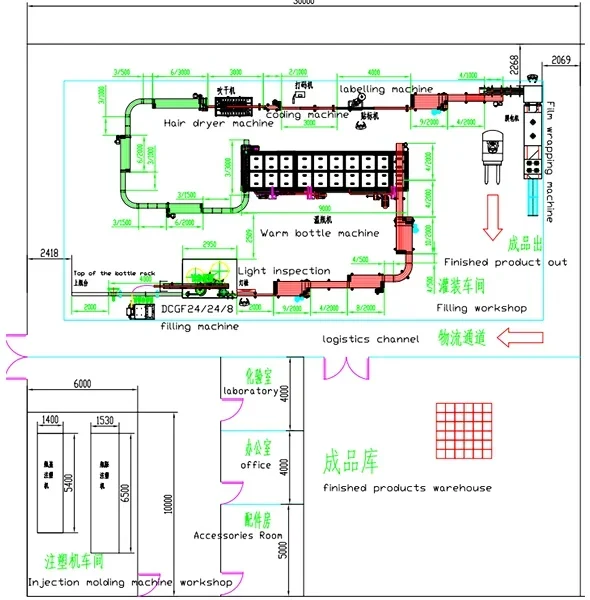
Project Challenge
The Bahamas is not a typical operating environment for beverage machinery. High humidity, salt-laden marine air, strong UV exposure, and complicated island logistics can all shorten equipment life and make relatively small failures expensive to resolve.
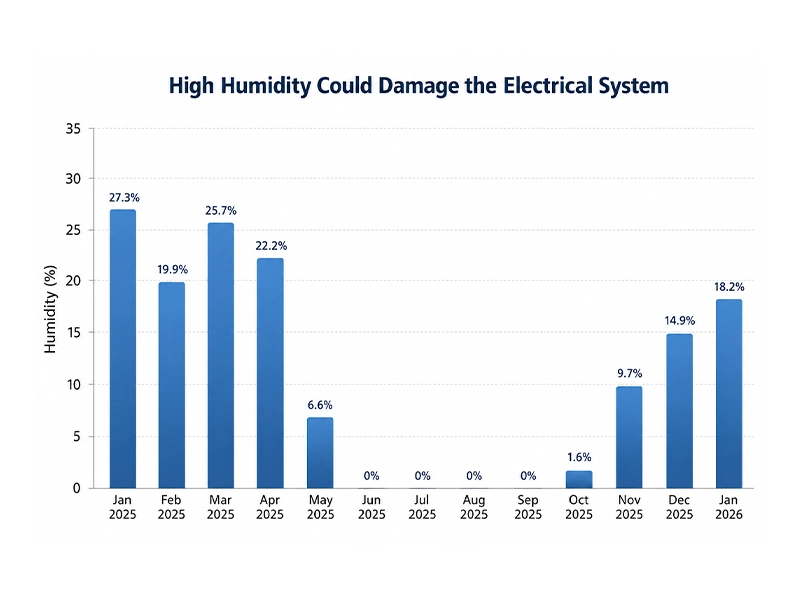
Challenge 1: High Humidity Could Damage the Electrical System
Humid air and condensation can damage terminals, PCBs, connectors, and insulation, causing corrosion, short circuits, signal instability, and equipment failures.
For island facilities, electrical issues often lead to longer downtime due to remote support, shipping delays, customs, and replacement challenges.
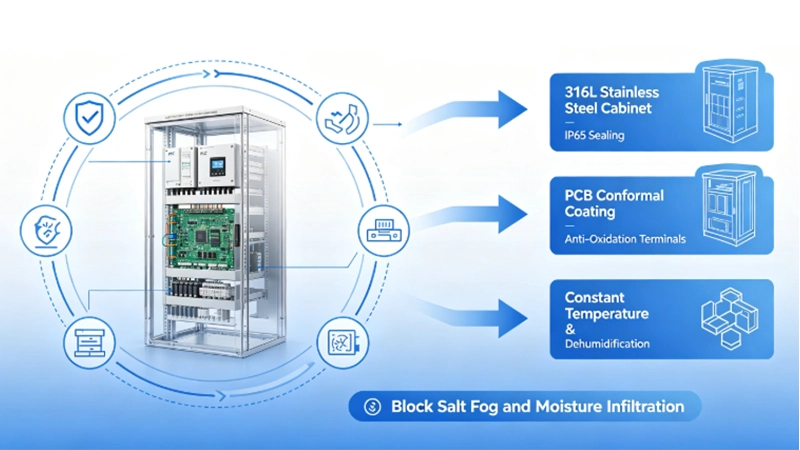
Our Solution: Upgrade the Electrical Protection System
- 316L stainless steel electrical cabinets
- IP65 enclosure protection
- Double-layer silicone sealing
- Waterproof breathable valves
- PCB conformal coating
- Anti-oxidation terminal treatment
- Salt-spray-resistant cables
- Internal temperature and humidity management
The objective was not only to prevent water ingress but also to minimize the long-term impact of moisture, condensation, corrosion, and temperature changes on electrical components.
Challenge 2: Salt Air Accelerates Equipment Corrosion
Island projects require stronger corrosion protection because marine air with salt particles and chloride ions accelerates metal degradation.
Standard protection methods may fail to ensure long-term durability for exposed components, fasteners, welds, and frames in harsh coastal environments.
Our Solution: Multi-layer Corrosion Protection
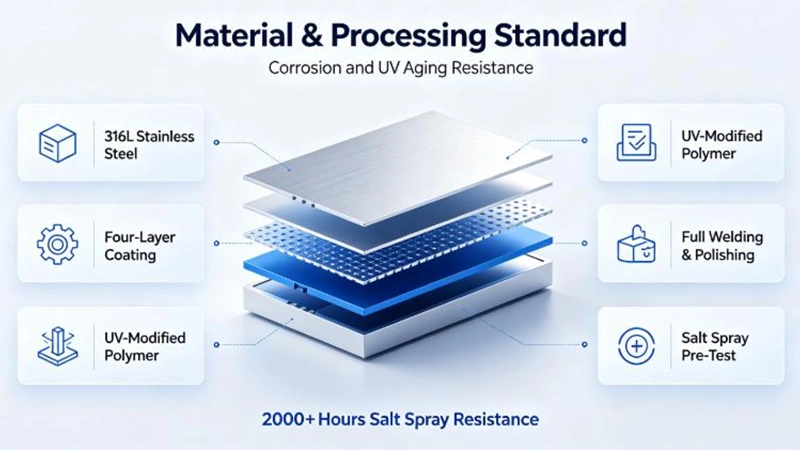
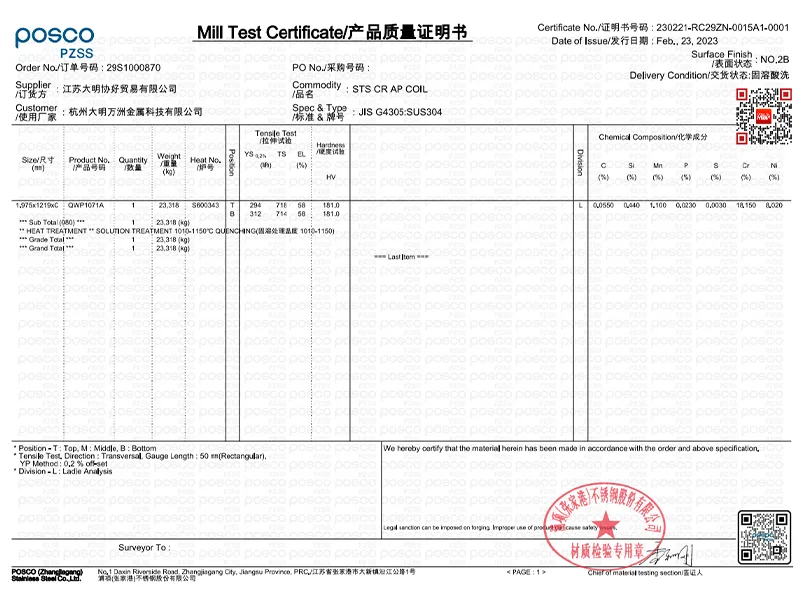
We selected 316L stainless steel, polished welds, certified materials, and corrosion protection based on exposure levels. Structural steel components were protected with a multi-layer system:
Hot-Dip Galvanizing → Zinc-Rich Primer → Epoxy Intermediate Coating → Fluorocarbon Topcoat
Additional protection was applied to:
- Exposed fasteners
- Welding areas
- Machine frames
- Product-contact surfaces
- Water-exposed components
Challenge 3: Strong UV Exposure Can Age Plastic Components
Strong sunlight and prolonged UV exposure can gradually damage ordinary plastics, protective covers, seals, and surface coatings. Typical problems include:
- Discoloration
- Brittleness
- Cracking
- Loss of mechanical strength
- Shortened component life
Our Solution: UV-resistant Materials
BRENU upgraded relevant plastic and polymer components using UV-resistant materials suitable for long-term exposure.This included selected:
- Protective covers
- Blow-molding auxiliary components
- Polymer components
- Exposed protective materials
Surface coating specifications were also upgraded where necessary.
Challenge 4: Island Logistics Increase Maintenance Challenges
Operating in the Bahamas creates additional maintenance challenges. A single equipment failure may involve:
- International spare-parts shipping
- Customs clearance
- Remote troubleshooting
- Engineer travel
- Longer downtime
Our Solution: Preventive Engineering Before Shipment
We implemented several measures during the project:
- Remote Monitoring: Enables fast troubleshooting and technical support.
- Material Selection: Optimized for humidity, corrosion, salt, and UV exposure.
- Factory Testing: Fully tested before shipment to prevent issues.
- Technical Support: Provides installation guidance and operation assistance.
Challenge 5: Equipment Delivery Does Not Mean Production Readiness
In international bottling projects, equipment delivery is only the beginning. Proper installation and commissioning are essential for stable production performance.
Multiple systems, including conveyors, filling units, controls, pneumatics, and supplies, must work together. Small errors can impact the entire line efficiency.
Our Solution: BRENU Engineers Went to the Bahamas
For this project, BRENU provided complete on-site support instead of stopping at equipment delivery. Our engineers traveled to the Bahamas to complete:
- Equipment installation
- Electrical and mechanical checks
- Line integration
- Parameter adjustment
- Trial production
- Operator training
- Final commissioning
On-site commissioning also helped our engineers optimize the equipment based on real production conditions.
The Result: Stable Output of Approximately 5,800–6,200 BPH
More importantly, the project showed that overseas bottling plants require more than selecting the right filling speed.
For the Bahamas project, each operating challenge was addressed with targeted engineering solutions:
- High humidity → upgraded electrical protection and cabinet sealing.
- Salt air corrosion → improved stainless steel selection and anti-corrosion measures.
- Strong UV exposure → enhanced outdoor material durability.
- Island logistics → focused on preventive design, testing, and remote support.
- On-site integration → BRENU engineers completed installation and commissioning to ensure stable operation.
The result was not simply a 6,000 BPH filling machine delivered to the Bahamas, but a complete production solution designed for long-term island operation.