A water bottling line is a complete production system used to rinse bottles, fill water, cap containers, label bottles, package finished products, and prepare them for storage or distribution. For bottled water manufacturers, choosing the right water bottling line equipment is important for production efficiency, product safety, filling accuracy, and long-term operating cost.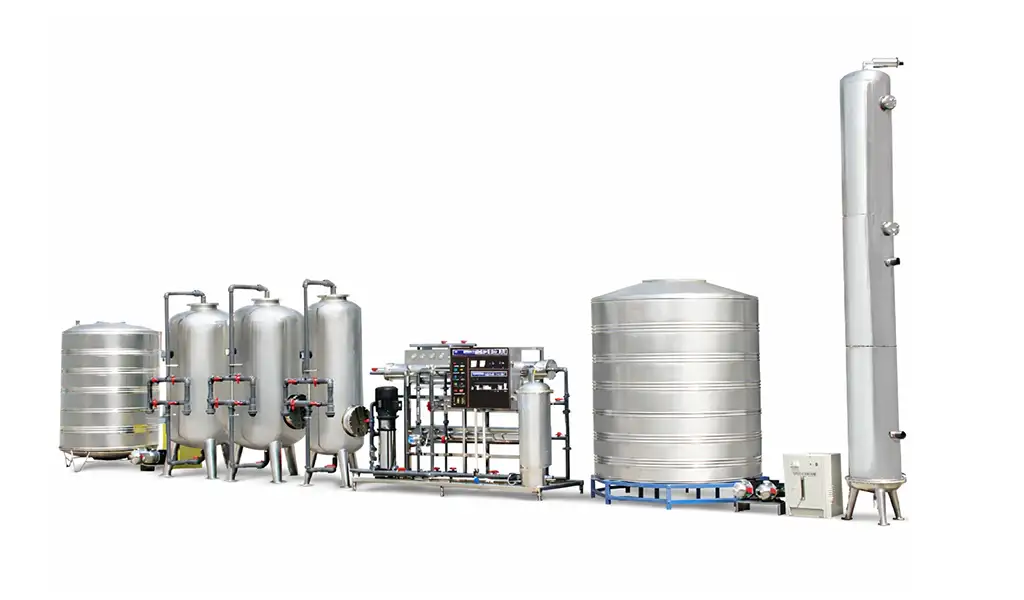
Water Treatment System
Before water enters the filling machine, it must be properly treated. The water treatment system removes impurities, particles, microorganisms, odor, and unwanted minerals. The exact system depends on the water source, such as tap water, groundwater, spring water, or purified water.
Common water treatment equipment includes:
| Equipment | Main Function | Common Application |
| Sand Filter | Removes suspended solids and particles | Pre-treatment stage |
| Activated Carbon Filter | Removes odor, chlorine, and organic matter | Drinking water purification |
| Precision Filter | Removes fine particles | Before RO or UV sterilization |
| Reverse Osmosis System | Removes dissolved salts, bacteria, and impurities | Purified water production |
| UV Sterilizer | Kills microorganisms using ultraviolet light | Final sterilization |
| Ozone Generator | Sterilizes water and bottle environment | Bottled water preservation |
A good water treatment system helps ensure the final bottled water meets drinking water standards. It also protects downstream filling equipment from scaling, clogging, and contamination.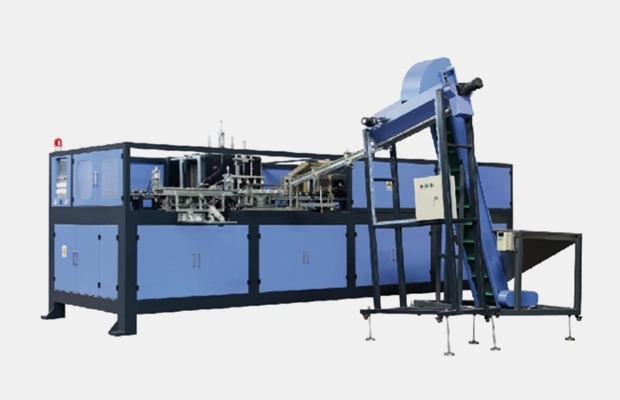
Bottle Blowing Machine
For PET bottled water production, many factories use a bottle blowing machine to make bottles from PET preforms. This equipment heats preforms and blows them into finished bottle shapes using compressed air.
Bottle blowing machines are generally divided into two main types:
Semi-automatic bottle blowing machine
This type is suitable for small production capacity, startup factories, or flexible bottle designs. It requires more manual operation but has lower investment cost.
Fully automatic bottle blowing machine
This type is used for medium and large-scale production. It offers higher speed, stable bottle quality, and better connection with the filling line.
Bottle blowing equipment is especially important when the factory wants to reduce bottle purchasing costs, control bottle design, or produce different bottle sizes.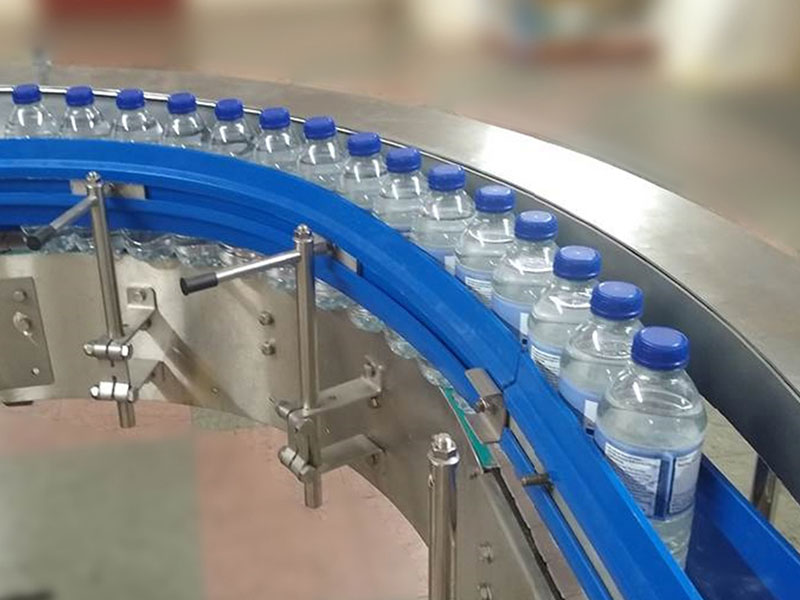
Air Conveyor System
After bottles are blown, they need to be transferred to the filling machine. For empty PET bottles, an air conveyor is commonly used. It moves bottles by holding the bottle neck and using airflow to push bottles forward.
The air conveyor has several advantages:
- It reduces bottle deformation because bottles are not pushed heavily from the body.
- It keeps bottles clean before filling.
- It supports high-speed automatic production.
- It connects the blowing machine and filling machine smoothly.
For factories using purchased empty bottles, the air conveyor can also connect the bottle unscrambler to the rinsing and filling section.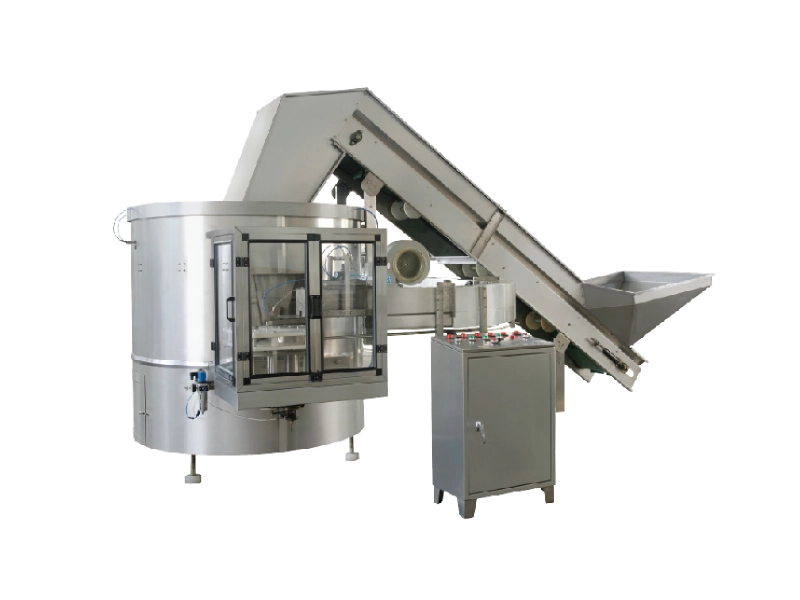
Bottle Unscrambler
A bottle unscrambler is used to arrange empty bottles in the correct direction and feed them into the production line. It is especially useful for high-speed lines where manual bottle loading is inefficient.
The bottle unscrambler helps reduce labor cost and improves feeding stability. It is commonly used when empty bottles are stored in bulk before entering the filling machine.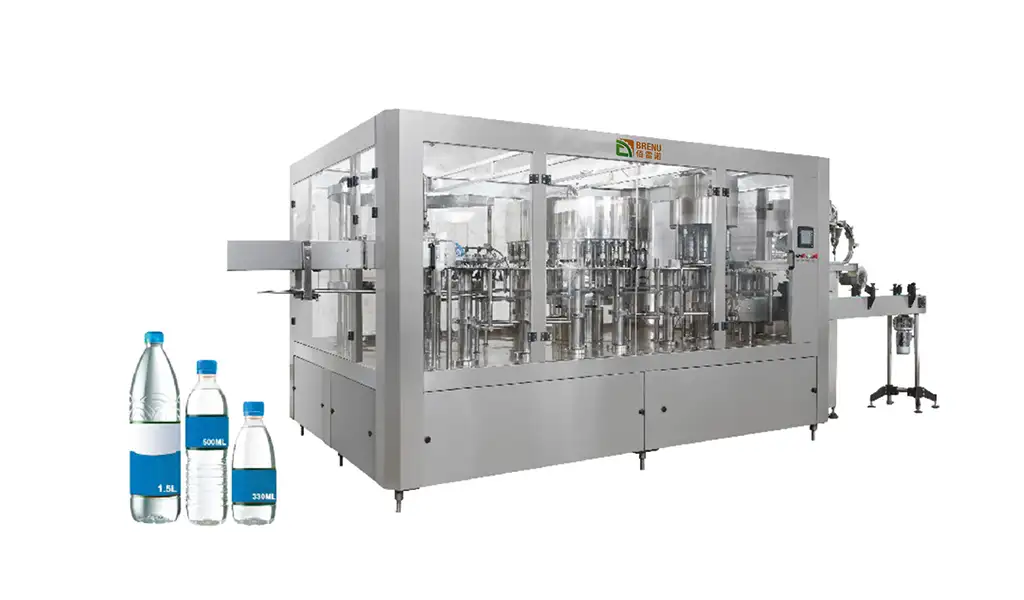
Rinsing, Filling, and Capping Machine
The rinsing, filling, and capping machine is the core equipment of a water bottling line. In modern bottled water production, these three functions are often integrated into one monoblock machine.
Bottle Rinsing
Before filling, bottles are rinsed with clean water or sterilized water to remove dust and particles. The bottle is usually turned upside down during rinsing, then returned to the upright position before filling.
Water Filling
The filling section fills water into bottles according to the required volume. For still water, gravity filling or normal pressure filling is commonly used. The machine must provide accurate filling levels, low dripping, and stable operation.
Bottle Capping
After filling, the capper places and tightens caps onto bottles. Proper capping is important because loose caps may cause leakage, while overly tight caps may damage the bottle neck or affect customer use.
| Machine Section | Main Role | Key Requirements |
| Rinser | Cleans empty bottles before filling | Clean rinsing, no bottle damage |
| Filler | Fills water into bottles | Accurate volume, stable flow, hygienic design |
| Capper | Seals filled bottles | Proper torque, no leakage, no cap damage |
The filling machine should be selected based on bottle size, production capacity, water type, and automation requirements.
Cap Feeding System
The cap feeding system transfers caps from the cap storage area to the capping machine. It usually includes a cap elevator, cap sorter, and cap chute.
This system ensures caps enter the capping machine in the correct direction. A stable cap feeding system reduces machine stops and improves overall production efficiency.
For bottled water lines, cap cleanliness is also important. Some systems can include cap sterilization or UV treatment depending on hygiene requirements.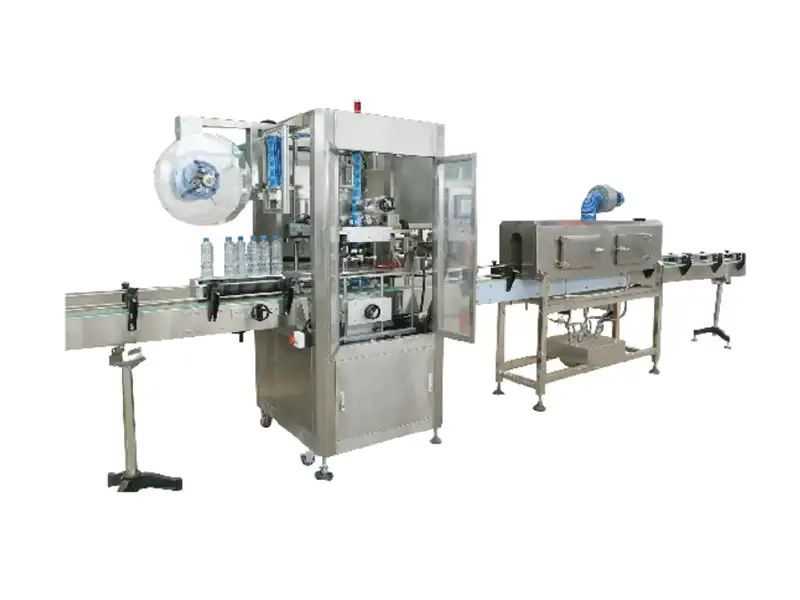
Bottle Labeling Machine
After bottles are filled and capped, they usually need labels for branding, product information, barcodes, and regulatory details. The labeling machine applies labels onto bottles automatically.
Common labeling options include:
| Labeling Type | Features | Suitable For |
| Shrink Sleeve Labeling | Full-body label, strong visual effect | Branded bottled water |
| OPP Hot Melt Labeling | High-speed and cost-effective | Large-volume production |
| Self-Adhesive Labeling | Flexible and clean appearance | Premium or small-batch products |
The right labeling machine depends on label material, bottle shape, design requirements, and production speed. Round bottles are easier to label, while square or irregular bottles may require special positioning systems.
Date Coding Machine
A date coding machine prints production date, batch number, expiry date, or traceability code on bottles, caps, or labels.
Common coding technologies include inkjet coding, laser coding, and thermal transfer printing. For bottled water production, inkjet coding is widely used because it is flexible and suitable for plastic bottles.
Clear coding helps with inventory management, product tracking, and market compliance.
Bottle Inspection System
Inspection equipment helps detect quality problems during production. Depending on the line configuration, inspection systems can check bottle filling level, cap presence, label position, leakage, and coding quality.
Common inspection functions include:
- Filling level detection
- Cap missing detection
- Label inspection
- Bottle leakage detection
- Code reading and verification
- Foreign object inspection
For large-scale factories, automatic inspection can reduce manual checking and improve product consistency.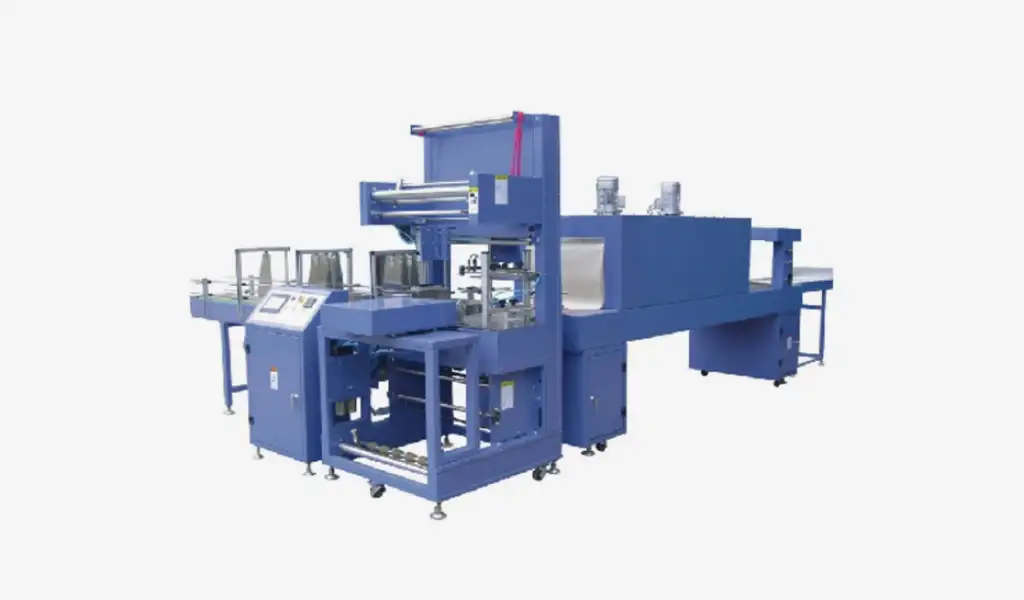
Packing Machine
After labeling and coding, bottles need to be packed for storage and transportation. Packing equipment depends on the final packaging format.
Common packing solutions include:
Shrink wrapping machine
Bottles are grouped and wrapped with plastic film. This is widely used for bottled water packs such as 12 bottles or 24 bottles.
Carton packing machine
Bottles are placed in cartons to improve protection and make stacking easier.
Tray packing machine
Bottles are placed on trays and then shrink wrapped. This is common for supermarket and wholesale distribution.
The packing system should match bottle size, pack quantity, market requirements, and warehouse handling method.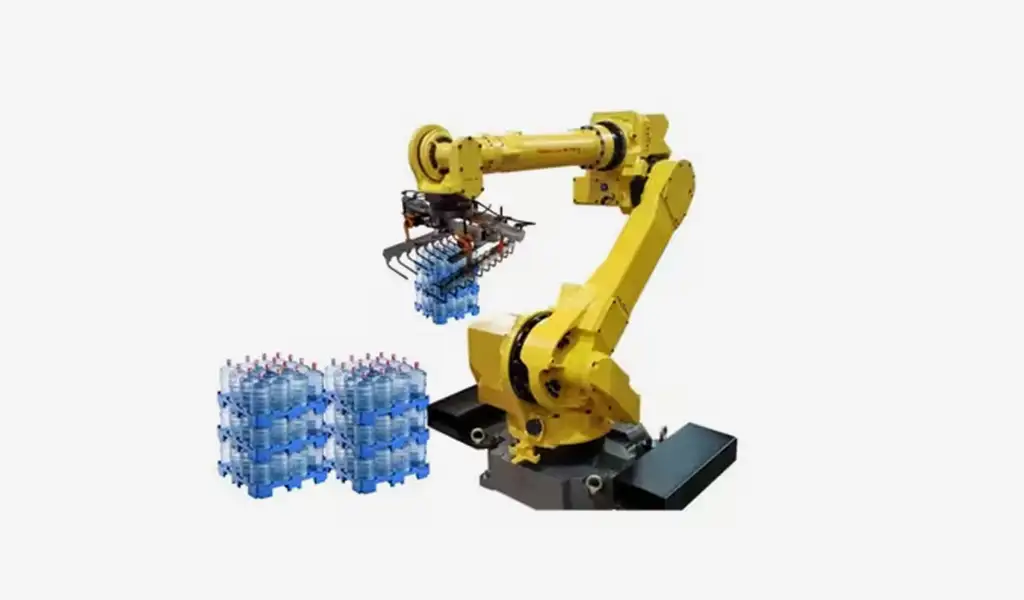
Palletizing System
For medium and large production lines, palletizing equipment can automatically stack finished packs onto pallets. This reduces manual labor and improves warehouse efficiency.
There are two common options:
Conventional palletizer
Suitable for stable, high-speed production. It stacks packs layer by layer.
Robotic palletizer
More flexible and suitable for different product sizes, pack types, and pallet patterns.
Automatic palletizing is especially useful for factories with high daily output or export packaging requirements.
Conveying System
Conveyors connect different equipment in the bottling line. They move bottles and packs between machines smoothly.
A complete line may use:
- Air conveyors for empty PET bottles
- Flat belt conveyors for filled bottles
- Chain conveyors for heavy packs
- Accumulation conveyors to reduce line stops
- Pallet conveyors for warehouse handling
A well-designed conveying system helps balance production speed and reduce bottle jamming. Poor conveyor layout can cause frequent downtime even if the main machines are high quality.
Control System
Modern water bottling line equipment usually uses PLC control and touchscreen operation. Operators can adjust speed, monitor machine status, check alarms, and control production parameters through the interface.
A good control system helps improve operation efficiency, reduce manual errors, and make maintenance easier. For larger production lines, the control system may also connect with production data monitoring and factory management systems.
How to Choose the Right Water Bottling Line Equipment
The best equipment decision should consider more than upfront pricing. Buyers should consider production capacity, bottle size, automation level, factory space, water source, packaging format, and future expansion.
Important selection factors include:
Production capacity
Small factories may choose a low-speed line, while large factories need high-speed automatic equipment.
Bottle size and shape
The equipment must match bottle volume, neck size, bottle height, and bottle design.
Water type
Still water, mineral water, purified water, and flavored water may require different treatment and filling configurations.
Automation level
More automation lowers labor needs but requires a higher upfront investment.
Factory layout
The line should fit the available workshop space and allow easy operation, cleaning, and maintenance.
After-sales support
Reliable support, spare parts, and installation service help ensure stable long-term production.
Common Water Bottling Line Configurations
Different factories require different equipment combinations. A small bottled water plant may only need basic treatment, filling, labeling, and packing machines. A large-scale factory may need fully automatic blowing, filling, inspection, packing, and palletizing systems.
| Production Scale | Recommended Configuration | Main Advantage |
| Small Scale | Water treatment + semi-auto blowing + filling + labeling + packing | Lower investment cost |
| Medium Scale | Automatic blowing + air conveyor + monoblock filling + labeling + shrink wrapping | Balanced cost and efficiency |
| Large Scale | Full automatic blowing-filling-capping + inspection + packing + palletizing | High output and lower labor cost |
A complete bottling line is not just one machine. It is a connected system made of different equipment working together. From water treatment to final packing, each section affects bottle quality, production speed, hygiene, and automation level. This guide explains the main equipment used in a water bottling line and how to select the right configuration for different production needs.