
Carbonated beverages need isobaric filling technology because carbonation is pressure-sensitive. If the filling process is not properly controlled, CO₂ escapes, foam increases, fill levels become unstable, and the final drink may lose its intended taste and mouthfeel.
Isobaric filling solves these problems by balancing the pressure between the container and the product tank before filling. This helps protect dissolved CO₂, reduce foam, improve filling accuracy, and maintain product consistency. For sparkling water, soda, beer, cider, sparkling wine, and other carbonated drinks, isobaric filling is one of the most important technologies in the production line.
What Is Isobaric Filling Technology?
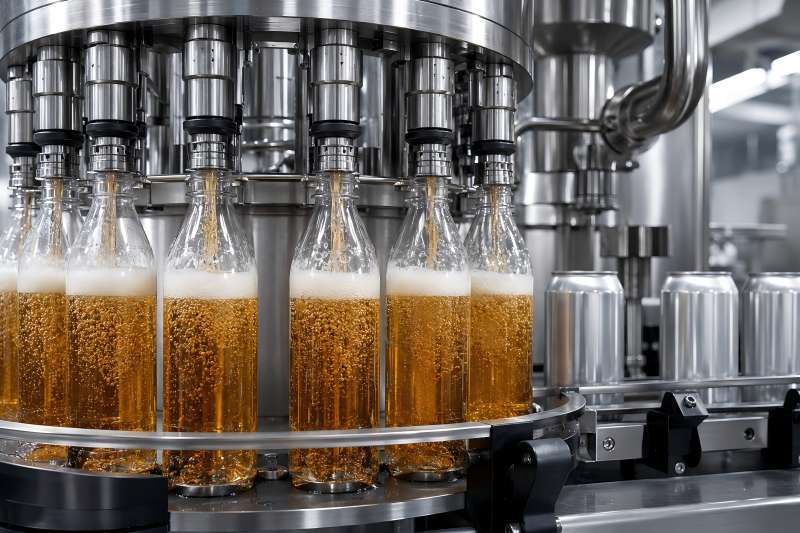
Isobaric filling technology is a beverage filling method designed for products that contain dissolved gas, especially CO₂. The word “isobaric” means “same pressure.” In beverage production, it means the pressure inside the bottle or can is balanced with the pressure inside the filling tank before the liquid enters the container.
Instead of allowing carbonated liquid to flow into an open container under atmospheric pressure, an isobaric filling machine first seals the container mouth. Then it introduces CO₂ or sterile gas into the container until the internal pressure is close to the pressure of the product tank. Once the pressure is balanced, the carbonated beverage flows smoothly into the container with much less foam formation.
This process is especially important for:
- Carbonated soft drinks
- Sparkling water
- Soda water
- Beer
- Cider
- Sparkling wine
- Carbonated juice drinks
- Carbonated energy drinks
- Functional sparkling beverages
The goal is simple: keep CO₂ inside the beverage until the product reaches the consumer.
Why Carbonation Makes Filling More Difficult
Carbonation depends on dissolved carbon dioxide. Higher pressure helps liquids hold more dissolved gas. In simple terms, higher pressure helps more CO₂ stay dissolved in the beverage.
When a carbonated beverage is exposed to lower pressure, the CO₂ becomes less stable and starts escaping from the liquid. This happens when you open a soda bottle. The pressure inside the bottle drops, dissolved CO₂ comes out of solution, and bubbles appear. Henry’s law is commonly used to explain this behavior in carbonated drinks.
During filling, the same problem can happen inside the machine. If the beverage enters the container too quickly, too warmly, or under the wrong pressure, CO₂ escapes before sealing. This causes foam and unstable filling results.
Common Problems When Filling Carbonated Beverages
| Problem | Cause | Production Impact |
| Excessive foaming | Sudden pressure drop or high product temperature | Product waste and slower filling speed |
| CO₂ loss | Poor pressure control during filling | Flat taste and weaker mouthfeel |
| Unstable fill level | Foam occupies container space | Inaccurate volume and inconsistent appearance |
| Product overflow | Foam rises out of bottle or can | Sticky containers and sanitation problems |
| Poor sealing quality | Foam or liquid remains near the sealing area | Leakage risk and shorter shelf life |
| Low production efficiency | Machine must slow down to control foam | Lower output and higher operating cost |
How Isobaric Filling Protects CO₂
The biggest advantage of isobaric filling is pressure balance. By keeping the container pressure close to the tank pressure, the machine prevents sudden CO₂ release. Instead of rushing into a low-pressure container, the beverage enters a controlled environment.
A typical isobaric filling process includes several steps.
| Step | Process | Purpose |
| 1 | Container feeding | Bottles or cans enter the filling system |
| 2 | Sealing | The container is tightly sealed to the filling valve |
| 3 | CO₂ purging | Air is removed to reduce oxygen inside the container |
| 4 | Pressurization | Container pressure is raised to match tank pressure |
| 5 | Equal-pressure filling | Beverage flows smoothly with reduced foaming |
| 6 | Pressure release | Gas pressure is released gradually |
| 7 | Capping or seaming | Container is sealed to protect carbonation |
The key point is that filling happens under balanced pressure. This helps dissolved CO₂ remain inside the liquid. As a result, the beverage keeps its intended carbonation level, taste, and freshness.
Isobaric Filling vs Normal-Pressure Filling
Normal-pressure filling suits still, non-carbonated beverages. However, it is not ideal for carbonated beverages because it exposes the product to atmospheric pressure too early. For carbonated drinks, this can quickly cause gas release and foaming.
Isobaric filling is designed specifically to solve this issue.
| Item | Normal-Pressure Filling | Isobaric Filling |
| Best for | Still beverages | Carbonated beverages |
| Filling environment | Atmospheric pressure | Controlled equal pressure |
| CO₂ retention | Poor for carbonated drinks | High |
| Foam control | Difficult | Much better |
| Fill level accuracy | Unstable with carbonated drinks | More stable |
| Production speed | May slow down due to foam | Supports faster carbonated filling |
| Product quality | Risk of flat taste | Better carbonation consistency |
For beverage factories, this difference is very important. A carbonated drink is not only a liquid; it is a pressure-sensitive product. The filling system must handle both liquid and gas behavior at the same time.
Better Foam Control During Production
Foam is one of the biggest challenges in carbonated beverage filling. When CO₂ escapes too quickly, it forms bubbles and foam. Foam can rise inside the container, overflow, contaminate the bottle neck, and interfere with capping or seaming.
Research on carbonated beverages shows that CO₂ content and its source are important factors affecting bubble and foam formation. Foam and bubble characteristics also influence product perception, especially in beverages such as beer, sparkling water, and sparkling wine.
Isobaric filling reduces foam by controlling pressure before, during, and after filling. The machine does not allow carbonated liquid to enter a low-pressure container suddenly. Instead, pressure is balanced first, then the liquid flows gently.
Good foam control helps manufacturers achieve:
- Cleaner containers
- More accurate fill levels
- Less product loss
- Better sealing conditions
- Higher line speed
- More stable product appearance
For high-speed beverage lines, foam control directly affects production efficiency. Even a small amount of uncontrolled foam can cause downtime, cleaning issues, and rejected products.
Improved Filling Accuracy and Product Consistency
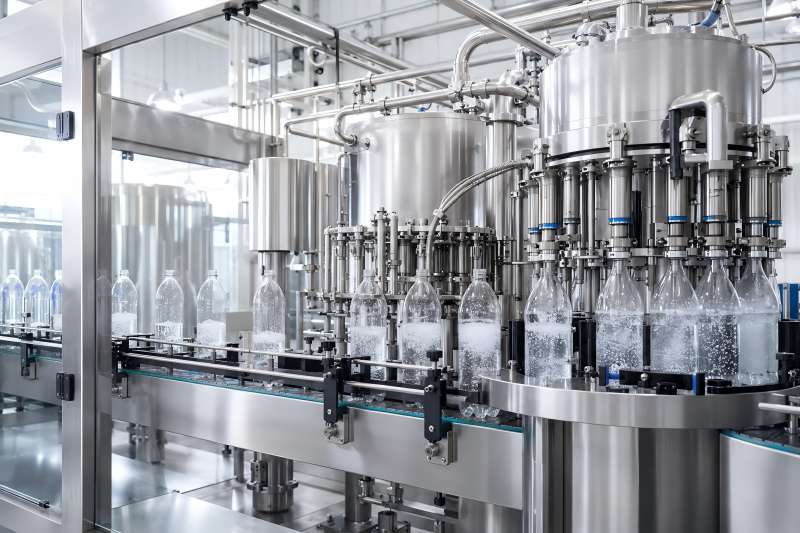
Consumers expect every bottle or can to look the same. Fill level, carbonation strength, taste, and appearance must be consistent across every batch. For carbonated beverages, this is harder to achieve because foam can make the liquid level difficult to control.
If foam fills the top space during filling, the machine may stop filling too early. After the foam collapses, the final liquid level may be too low. In other cases, foam can overflow and cause product waste.
Isobaric filling helps solve this by keeping the product calmer during filling. With less foam, the machine can control liquid volume more accurately. This ensures uniform results across every container.
Stable fill levels also support better packaging appearance. In retail environments, uneven fill levels may make customers think the product is underfilled or poorly manufactured. For beverage brands, consistent filling is part of brand quality.
Better Taste and Mouthfeel
The “fizz” in carbonated drinks is a major part of the sensory experience. If too much CO₂ is lost during filling, the final product may taste flat even if the formula is correct. Carbonation affects sharpness, freshness, aroma release, and perceived acidity.
In sparkling water, strong carbonation creates a crisp and refreshing sensation. In soft drinks, carbonation balances sweetness and improves the drinking experience. In beer and cider, carbonation also affects foam head, aroma, and mouthfeel.
Isobaric filling helps maintain the designed CO₂ level. This is important because carbonation is not something that can be easily corrected after sealing. Once CO₂ is lost during filling, the product may no longer match the intended taste profile.
Lower Oxygen Pickup
Many carbonated beverages are sensitive to oxygen. Oxygen can affect flavor stability, color, aroma, and shelf life. This is especially important for beer, cider, sparkling wine, and some juice-based carbonated beverages.
Many isobaric filling machines include a CO₂ purging step before filling. This step removes air from the empty container and replaces it with CO₂. By reducing oxygen inside the bottle or can, the machine helps protect product quality.
The FDA also notes that carbonated soft drinks must use safe additives and food contact substances, including packaging materials that come into contact with the beverage. For manufacturers, this means the filling process must consider not only speed and accuracy, but also hygiene, packaging safety, and product stability.
Suitable for Different Carbonated Beverage Types
Isobaric filling technology is flexible. It can be used for many beverage categories, but different products may require different pressure settings, filling valve designs, temperature control, and container handling methods.
Sparkling Water and Soda Water
Sparkling water requires clean filling, strong carbonation retention, and a fresh taste. Because the formula is simple, any loss of carbonation is easy for consumers to notice. Isobaric filling helps preserve the crisp bubble sensation.
Carbonated Soft Drinks
Soft drinks often contain sugar, sweeteners, acids, flavors, colors, and preservatives. These ingredients may influence CO₂ solubility and foam behavior. A stable isobaric filling system helps maintain consistent filling performance across different formulas.
Beer and Cider
Beer and cider are more sensitive to oxygen and foam. They often require CO₂ purging, gentle filling, and controlled pressure release. Isobaric filling supports better foam control and improved product stability.
Sparkling Wine
Sparkling wine requires careful pressure control and gentle handling. Excessive agitation can affect bubbles, foam, and product appearance. Isobaric filling helps protect its sparkling character.
Carbonated Juice and Functional Drinks
These products may contain pulp, vitamins, minerals, flavors, or functional ingredients. Because formulas can be more complex, the filling system must be selected carefully to balance carbonation, viscosity, and product stability.
Role of Temperature in Isobaric Filling
Temperature is another critical factor. Cold liquid holds CO₂ better than warm liquid. If the beverage temperature rises before filling, CO₂ becomes less stable and foam increases.
This is why many carbonated beverage lines include cooling systems before filling. The beverage is usually chilled to a suitable filling temperature, then transferred to the isobaric filling tank under controlled pressure.
Poor temperature control can cause:
- More foam
- Lower carbonation retention
- Slower filling speed
- Inconsistent fill levels
- Higher product waste
For best results, pressure and temperature must be controlled together. A high-quality isobaric filling machine should work with the carbonation system, cooling system, tank pressure control, and packaging line.
Why Pressure Release Must Be Controlled
After filling, the container still contains pressure. If this pressure is released too quickly before capping or seaming, foam can rise suddenly. This is why the pressure release stage is important.
A good isobaric filling machine releases pressure gradually. This allows the liquid to remain calm and prevents sudden CO₂ breakout. The process must be fast enough for production efficiency but gentle enough to protect product quality.
This step is especially important for highly carbonated beverages. The higher the carbonation level, the more carefully pressure must be managed.
Packaging Compatibility
Isobaric filling works with PET bottles, glass bottles, and aluminum cans. Each packaging format has its own requirements.
PET bottles need proper pressure resistance and stable bottle handling. Glass bottles require careful clamping and sealing to avoid breakage. Aluminum cans require accurate seaming after filling to prevent leakage and CO₂ loss.
Food contact safety is also important. In the United States, food contact substances used for carbonated soft drinks are regulated for safety by the FDA. Carbon dioxide itself is also listed in U.S. federal food regulations under 21 CFR 184.1240.
For beverage manufacturers, packaging choice and filling technology should be planned together. A good filling solution must match the product, container, cap or lid, production speed, and shelf-life requirements.
Benefits for Beverage Manufacturers
For beverage factories, isobaric filling technology is not only a technical option. It is a production necessity for stable carbonated beverage manufacturing.
The main benefits include:
- Better CO₂ retention
- Reduced foam and overflow
- More accurate filling volume
- Cleaner container necks
- Improved sealing quality
- Higher production efficiency
- Better product consistency
- Lower product waste
- Longer shelf-life support
- Better consumer drinking experience
These benefits are especially important for medium and large-scale production lines. When a factory produces thousands of bottles or cans per hour, small filling problems can quickly become major cost issues.
Key Factors When Choosing an Isobaric Filling Machine
Not all isobaric filling machines are the same. Beverage manufacturers should evaluate the equipment based on product type, container format, production capacity, automation level, sanitation design, and after-sales support.
Important selection factors include:
- Filling capacity
The machine should match current production needs and allow room for future growth. - Container compatibility
The system should support the required bottle or can sizes. - CO₂ pressure control
Stable pressure control is essential for carbonation retention. - Foam control design
Filling valves should support smooth flow and controlled pressure release. - CIP cleaning system
Clean-in-place design helps improve sanitation and reduce downtime. - Oxygen reduction function
CO₂ purging is important for oxygen-sensitive beverages. - Automation level
Automatic feeding, filling, capping, and control systems improve efficiency. - Material quality
Food-grade stainless steel and hygienic components are important for beverage safety. - Integration ability
The filling machine should connect smoothly with rinsing, capping, labeling, packing, and conveying systems.
For beverage manufacturers, investing in the right isobaric filling machine means better product quality, lower waste, higher efficiency, and stronger brand reliability. As carbonated drink demand rises, reliable filling technology becomes essential for efficient, high-quality beverage production.